
Mastering Fall/Winter Private Label Skincare: A Strategic Guide for Brands
Table of Contents
-
- Why Winter Skincare is Different: Key Challenges for Formulators
- Essential Private Label Ingredients for Cold-Weather Formulations
- 7 Strategic Product Categories for Private Label Winter Success
- Emerging Winter Skincare Trends
- How Private Label Manufacturing Gives Brands a Winter Market Edge
- Seize the Winter Season
As summer fades and temperatures drop, the beauty industry undergoes its most significant seasonal pivot. Consumer skin needs shift dramatically—and so must your product strategy. For brands, understanding these changes and acting decisively can mean the difference between capturing seasonal demand and watching competitors claim your share.
This guide covers the science behind winter skincare challenges, the ingredients that make a difference, the product categories that drive seasonal growth, and how private label partnerships can help you launch with speed and confidence.
Why Winter Skincare is Different: Key Challenges for Formulators
When autumn arrives, skin faces a gauntlet of environmental stressors. Outdoor humidity plummets. Indoor heating pulls moisture from the air. Constant temperature fluctuations between cold exteriors and warm interiors put the skin barrier under relentless pressure.
The result is increased transepidermal water loss (TEWL)—with one study showing TEWL can be over 20% higher in winter compared to summer—manifesting as tightness, flaking, dullness, and sensitivity. Consumers feel these changes viscerally. Their summer moisturizer suddenly feels inadequate. Their skin looks dull. Makeup application becomes a battle against dry patches.
Three formulation challenges emerge:
The stratum corneum—skin’s outermost layer—functions like a brick wall, with skin cells as bricks and lipids (ceramides, cholesterol, fatty acids) as mortar. Cold, dry conditions disrupt these lipids, compromising barrier integrity. The implication: formulations must prioritize barrier repair, not just hydration.
Consumers want rich protection but reject heavy, greasy textures. The solution is “hybrid textures”—formulations that deliver occlusive benefits while feeling lightweight. Brands that solve this paradox win loyalty.
Winter skin cannot tolerate harsh scrubs or high-strength acids. The solution: gentler options like lactic acid, PHA, or enzyme-based exfoliants with careful concentration control.
The takeaway for brands: Winter skincare must address barrier health, texture expectations, and gentle exfoliation simultaneously. Products that fail on any of these fronts will disappoint consumers.
Essential Private Label Ingredients for Cold-Weather Formulations
Effective winter formulations focus on three interconnected goals: repairing the barrier, locking in hydration, and soothing irritation. The following ingredients form the foundation.
Barrier Repair Trinity
Ceramides act as the “mortar” between skin cells. Modern formulations use tri-ceramide complexes that mimic the 1:1:1 ratio found in healthy skin. When winter disrupts this mortar, ceramide-rich formulations restore structural integrity. Example: Fir Beauty’s Ampoule Serum Set combines ceramides with hyaluronic acid and niacinamide for comprehensive barrier support.

Cholesterol and fatty acids work synergistically with ceramides. The full lipid triad is more effective than isolated ingredients.
Squalane provides lightweight, non-comedogenic nourishment that mimics natural sebum—absorbing quickly without greasiness.
Hydration Heroes
Hyaluronic acid is a powerful humectant, but in very dry conditions it can pull moisture out of skin if not properly formulated. Best practice: pair with occlusive ingredients and advise application to damp skin. Example: Fir Beauty’s Multi-Ingredient Facial Serum combines hyaluronic acid with niacinamide and arbutin for balanced winter hydration.
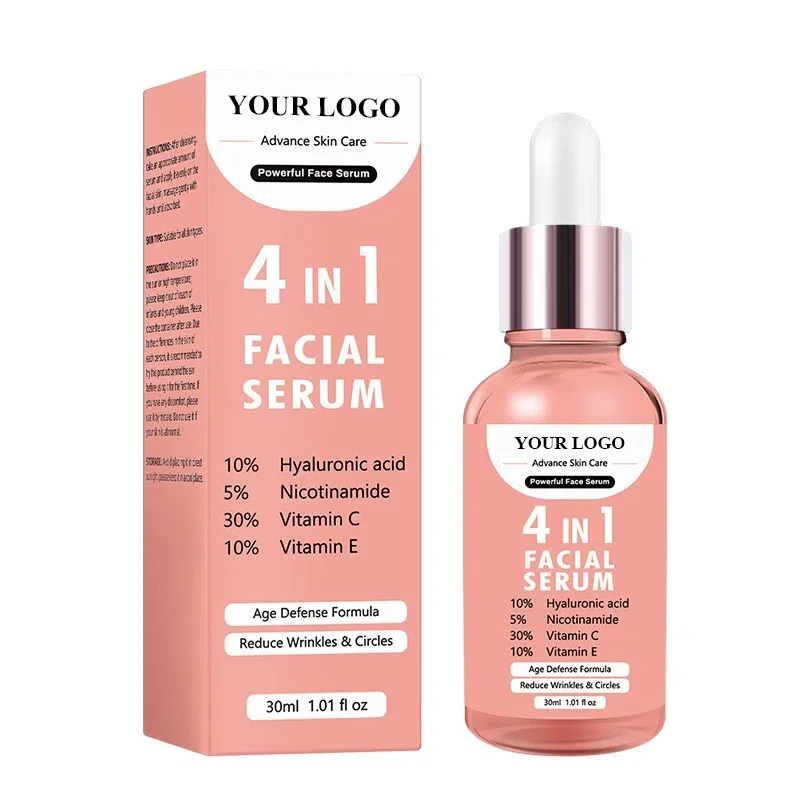
Glycerin and panthenol are workhorse humectants, with panthenol providing additional soothing benefits for reactive skin.
Facial oils (meadowfoam, argan, rosehip) provide the occlusive layer that prevents moisture escape while delivering nourishing fatty acids.
Soothing Actives
Niacinamide (vitamin B3) soothes irritation, supports barrier function, and helps even tone—making it a winter cornerstone.
Allantoin and bisabolol calm sensitive, compromised skin.
Peptides support collagen and elasticity, addressing fine lines that dehydration emphasizes.
7 Strategic Product Categories for Private Label Winter Success
The following categories see significant demand increases during fall and winter—and represent the most promising private label opportunities.
Rich Protective Moisturizers
Consumers swap light lotions for cream-based formulas fortified with ceramides, hyaluronic acid, and glycerin. Specialized options include antioxidant-boosted creams and coordinated moisturizer-mask systems.
Hydrating Serums and Ampoules
Winter serums prioritize barrier repair and deep hydration, often with higher oil content than summer versions. Multiple-ampoule systems allow consumers to tailor treatment to daily needs.
Barrier Repair Treatments
Overnight masks and creams designed to restore lipid layers are highly sought after. Position these as “rescue” products with premium pricing justified by intensive ingredients.
Hand and Body Care
Hands and lips—which lack oil glands—are first to show winter damage. Rich balms, butters, and creams are perennial winter bestsellers, with lower formulation complexity making them ideal entry points for brands new to private label.
Hybrid Texture Products
Gel-cream emulsions, whipped butters, and serum-in-oil hybrids offer protection without heaviness. This differentiation can give your brand a distinct market position.
Color Cosmetics with Skincare Benefits
Winter makeup must perform in challenging conditions. The winners combine beauty with skincare benefits.
Lip Products: Demand is high for hydrating lip colors—peptide lip glosses, collagen lip oils, color-changing plumping oils, and creamy matte lip liners that won’t crack or feather in cold conditions. 2-in-1 lipstick and lip liner sets perform well during holiday gifting.
Brow Products: Winter brows need waterproof, smudge-proof hold. Eyebrow pomades, liquid tints, and dual-ended pencils maintain shape through temperature fluctuations.
Base Products: Winter foundations and concealers must prioritize hydration and comfort. Dewy-finish liquid foundations, BB cushions, and hydrating concealers address the “caking” complaint. Color-correcting primers tackle redness and uneven tone.
Setting Products: Hydrating setting sprays and loose powders lock makeup in place without drying skin—a significant improvement over alcohol-heavy formulas of the past.
Lip Care and Repair
Beyond lip color, dedicated lip care—scrubs, masks, balms, serums—sees significant winter demand. Lip care sets (combining gloss, oil, mask, liner, and scrub) offer complete solutions.
Emerging Winter Skincare Trends
Barrier-First Skincare
Consumers now understand the skin barrier and actively seek products that strengthen it. The lipid triad (ceramides, cholesterol, fatty acids) has become a selling point, not just a formulation detail.
Gentle Active Ingredients
Retinol is too harsh for winter skin. The shift: encapsulated retinol for time-release delivery, or gentler alternatives like bakuchiol paired with barrier-supporting ingredients.
Microbiome-Friendly Formulations
Winter stressors disrupt the skin’s delicate ecosystem. Formulations that support—not disrupt—the microbiome, using plant-derived surfactants and avoiding harsh alcohols, are increasingly expected.
Multi-Functional Products
Consumers want products that do multiple jobs. 5-in-1 serums and combination products appeal to those seeking simplified routines during busy holiday seasons.
Sustainability
Eco-friendly packaging and ethical sourcing are non-negotiable for younger consumers. Even small steps—PCR materials, reduced packaging, certified ingredients—can differentiate your brand.
How Private Label Manufacturing Gives Brands a Winter Market Edge
Speed to Market
Traditional development takes 12-18 months. Private label can compress this to 8-12 weeks, allowing you to respond to emerging trends in real-time.
World-Class Manufacturing
Partners like Fir Beauty provide immediate access to ISO 22716, GMPC, and ISO 9001 certified facilities—ensuring quality standards that build global credibility.
Flexibility and Customization
Tailor every element—formula, concentration, texture, packaging, shade range—to your brand identity. End-to-end control ensures consistency.
Regulatory Support
Navigate EU, FDA, ASEAN, and other frameworks with manufacturer-provided documentation (MSDS, COA, product dossiers). This expertise is essential for international expansion.
Global Logistics
Door-to-door delivery with in-house customs clearance and real-time tracking ensures products arrive when the seasonal window demands.
Cost-Effective Entry
Pay for production only, not infrastructure. Flexible MOQs allow you to start small and scale as demand validates.
Seize the Winter Season
The winter skincare opportunity is significant—for brands that act thoughtfully. By understanding seasonal skin needs, selecting the right ingredients, developing appropriate product categories, and leveraging private label partnerships, you can launch products that genuinely solve consumer problems.
The winning brands will combine thoughtful formulation with authentic insight, delivering solutions with elegance and efficacy. Private label provides the ideal platform—speed, expertise, and infrastructure without years of investment.
About Fir Beauty
Fir Beauty is your dedicated B2B partner for cosmetics and personal care wholesale, serving brands and distributors who demand quality, flexibility, and end-to-end support. We bridge ambitious beauty businesses with world-class manufacturing, offering certified facilities, custom formulation, regulatory support, and global logistics—all backed by 1-on-1 account management.
Ready to build your winter skincare portfolio? Browse our wholesale collections, request a custom quote, or order samples today.
References: